
Travel Begins Before Takeoff
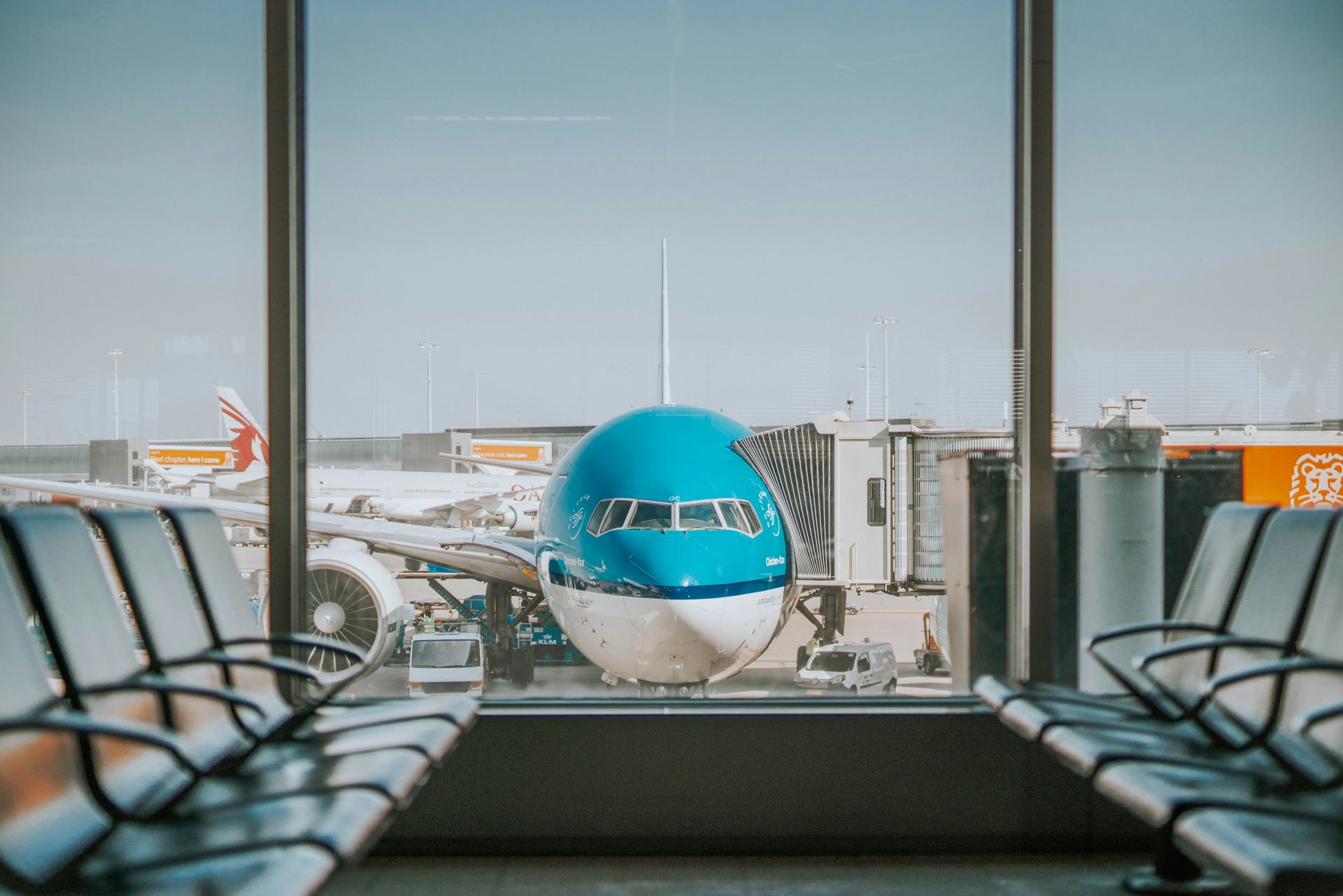
Air travel is no longer just about getting from one city to another. For many, the airport itself is the first brush with a destination’s identity, a place where the journey intertwines with culture, art, and history. Beyond ticket counters and security lines, terminals have evolved into immersive environments, giving travelers a sense of place before they even step outside. For tourism-focused airlines and destination marketers, this early engagement is invaluable. By turning transit spaces into cultural touchpoints, airports have become a crucial component of the tourism experience.

Terminal Design as Cultural Expression
Architecture speaks volumes. Iconic terminals like Singapore Changi, Seoul Incheon, and Amsterdam Schiphol are more than transportation hubs—they are visual storytelling platforms. Each design element, from façade motifs to interior materials, echoes the region’s heritage. Travelers passing through these spaces are greeted with architectural cues that set the tone for their visit, whether it’s traditional motifs woven into modern steel structures or local craftsmanship subtly integrated into seating areas. The physical space itself becomes a narrative, offering a tactile introduction to the culture that awaits beyond the gates.
Art and Exhibitions: Galleries in Transit
Many airports have embraced art as a cornerstone of the passenger experience. Permanent and rotating exhibits offer travelers a glimpse into local creativity, from indigenous crafts to contemporary installations. Los Angeles International Airport’s “LAX Art Program” and Tokyo’s Haneda Airport exhibitions showcase regional talent while providing passengers with an interactive cultural encounter. By blending art with the functionality of a transit hub, airports transform waiting times into educational and sensory experiences, creating an early connection to the destination.
Cuisine as Cultural Orientation
Food is among the most immediate cultural markers travelers encounter. Gourmet restaurants, street-food-inspired offerings, and locally sourced menus at airports provide a literal taste of the region. Think sushi bars in Narita, tapas in Barcelona-El Prat, or Ethiopian coffee in Addis Ababa Bole Airport. Airlines and airports that collaborate with local chefs and culinary brands not only elevate passenger satisfaction but also cultivate a sense of anticipation for the destination itself. Dining before takeoff becomes an introductory tourism experience, engaging the senses and preparing travelers for cultural immersion.
Retail and Souvenir Spaces
Airports are increasingly becoming curated retail spaces where travelers can explore regional products and artisanal crafts. Rather than generic duty-free shops, modern terminals emphasize authenticity—local fashion brands, handmade jewelry, or region-specific specialties offer visitors a microcosm of the local economy. This approach blurs the line between shopping and tourism, allowing travelers to engage with the destination’s commercial culture even before stepping outside the terminal.

Cultural Programming and Performances
Some airports go beyond static exhibits, hosting live performances and cultural programming to reflect the destination’s vibrancy. Seasonal music events, traditional dance showcases, or pop-up craft workshops provide an interactive gateway to local heritage. In airports like Doha Hamad International, travelers might encounter live oud performances or calligraphy demonstrations, creating memorable encounters that turn the waiting lounge into a cultural stage. These experiences highlight the idea that the journey itself is part of the story of travel, extending the tourism experience from the tarmac to the terminal.
Airlines as Cultural Ambassadors
Airports and airlines often collaborate to create a cohesive cultural experience. Airlines can integrate local themes into in-flight materials, announcements, and even boarding areas, reinforcing the cultural narrative begun in the terminal. For international travelers, this partnership amplifies destination branding, ensuring that tourism engagement begins the moment the traveler arrives at the airport. By aligning visual, auditory, and sensory cues with local culture, airlines become active participants in cultural tourism, shaping perceptions and expectations well before luggage claim.
Digital and Immersive Experiences
Technology has amplified the airport’s role as a cultural gateway. Interactive kiosks, AR/VR exhibits, and mobile applications allow travelers to explore local history, landmarks, or hidden gems while waiting for flights. Singapore Changi’s augmented reality experiences, for instance, let passengers explore city attractions virtually, enhancing engagement and inspiring post-arrival itineraries. These digital touchpoints transform the airport from a static space into a dynamic platform for storytelling and cultural discovery.
The Psychological Impact of Cultural Airports
Exposure to cultural elements in airports shapes traveler mindset and expectations. The first encounter with a city’s identity can evoke curiosity, relaxation, or excitement, priming passengers for tourism experiences. Research in behavioral science suggests that immersive environments reduce travel stress and increase receptivity to local experiences, meaning that cultural touchpoints in airports are more than decorative—they’re psychologically and commercially strategic.
Global Trends and Destination Branding
As airports compete for international travelers, cultural expression has become a differentiator. Destinations increasingly use terminals as ambassadors, leveraging architecture, art, and programming to build brand identity. Airports in Asia, the Middle East, and Europe are pioneering this approach, while emerging destinations in Africa and South America are beginning to recognize the strategic value of culturally rich terminals. By creating spaces that celebrate local identity, airports reinforce tourism marketing goals and extend the visitor experience before departure or upon arrival.
More Than Transit, a Tourism Experience
Modern airports have evolved from mere transit points into curated cultural gateways. Architecture, art, food, retail, performances, and technology all converge to offer travelers an immersive introduction to the destination. By engaging the senses, fostering curiosity, and providing authentic experiences, airports enhance tourism value and redefine the journey itself. For airlines and destination marketers, the terminal has become the first stage of a traveler’s story, a space where tourism begins long before the tarmac is crossed.
Breyten Odendaal
Our travel editorial desk specializes in uncovering the best flight deals and destination insights within South Africa. We bring you first-hand updates on airline industry moves and budget travel hacks.
More From Travel News
The Psychology of Seat Selection on Short Flights
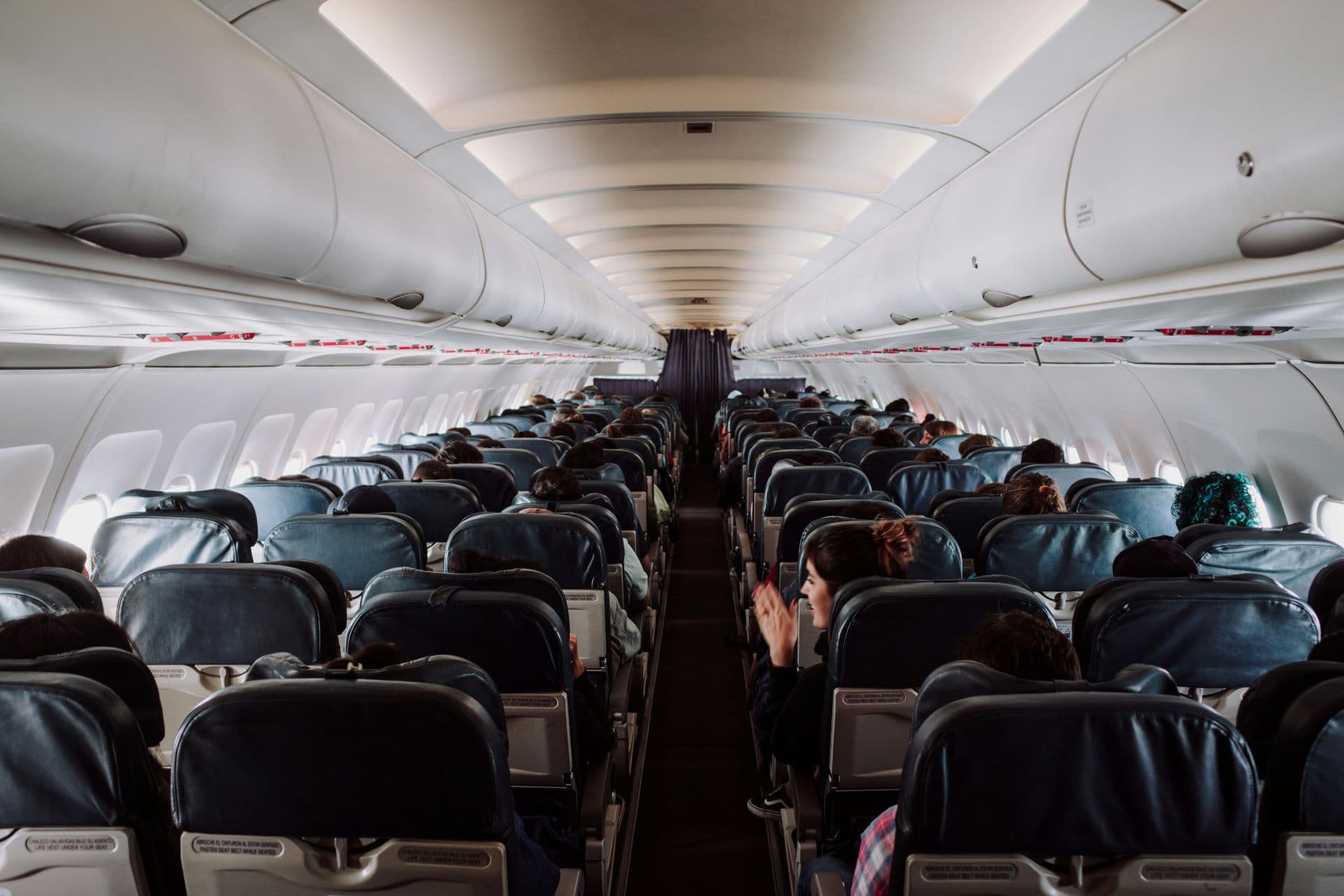
Why do travellers choose window or aisle seats on short flights? Exploring passenger psychology in South African commercial aviation.

How Aviation Shapes South Africa’s Coastal Tourism
Aviation expands South Africa’s coastal tourism by redistributing seasonal travel, boosting beach destinations, and connecting global and domestic markets.

Inside Airline Pilot Training for Modern Aircraft
Discover how airlines train pilots for modern aircraft using advanced simulators, strict certification pipelines and continuous recurrent training.
Stay Informed, Stay
Ahead of the Curve
We don't just follow the headlines — we dive deeper. Our well-researched content is designed to empower you with the knowledge needed to navigate an industry shaped by innovation.
Seasoned Professionals
Industry stats and market performance metrics.
Passionate Enthusiasts
Vehicle launches and future transport concepts.