
Where Runways Meet Ocean Currents
South Africa’s coastline is not just a scenic border where land dissolves into sea. It is a living economic corridor, shaped increasingly by the rhythm of aviation. Beaches from the Western Cape to KwaZulu-Natal have long drawn visitors, but it is air access that determines how far, how often, and how evenly those visitors arrive.
The role of aviation in coastal tourism growth is less about movement alone and more about distribution. Flights do not simply bring people in. They shape when people arrive, how long they stay, and which coastal destinations rise or fade with seasonal demand.
In South Africa, where tourism is both a cultural showcase and an economic pillar, airlines and airports function as invisible architects of beach economies.
The Coastal Advantage and the Air Access Effect
South Africa’s coastal cities, particularly Cape Town, Durban, and Gqeberha, have always held natural tourism appeal. Yet geography alone does not guarantee accessibility. The real transformation begins when air routes connect these coastlines to inland hubs and international markets.
Air travel compresses distance. A visitor from Europe can step off a winter flight and arrive in a summer beach environment within hours. A domestic traveller from Gauteng can swap city density for ocean calm in under two hours.
This compression effect fundamentally expands the market for coastal tourism. Destinations are no longer limited to nearby populations or slow overland travel. Instead, they become part of a fluid, national and global tourism circuit shaped by flight schedules.
Air access effectively turns beaches into time-sensitive economic assets.

Aviation Infrastructure as a Coastal Growth Engine
Airports are more than arrival points. They are catalytic nodes that determine tourism intensity and distribution. South Africa’s major coastal airports, including Cape Town International Airport and King Shaka International Airport, function as gateways that channel both international and domestic tourism flows into surrounding coastal regions.
Cape Town’s airport supports one of the most globally connected coastal tourism markets in Africa. Its long-haul international routes ensure a steady influx of visitors during the Northern Hemisphere winter, aligning perfectly with South Africa’s peak summer season.
Durban’s airport plays a different but equally important role. It anchors regional and domestic tourism flows, feeding KwaZulu-Natal’s coastline with consistent short-haul arrivals that support year-round beach activity.
These airports are not passive infrastructure. They actively shape coastal development patterns, influencing hotel investment, entertainment districts, and seasonal employment cycles.
Airlines as Seasonal Demand Managers
Airlines are not just transport providers. In coastal tourism economies, they act as seasonal demand managers, adjusting capacity, pricing, and route networks in response to shifting travel patterns.
South African carriers and regional operators play a central role in regulating the flow of tourists to coastal destinations.
During peak summer months, seat capacity to Cape Town and Durban increases significantly. Additional flights are introduced from inland cities like Johannesburg and Pretoria, while international routes expand to accommodate inbound leisure travellers.
In quieter seasons, airlines scale back frequency or shift aircraft deployment toward business-heavy routes. This seasonal balancing act has a direct impact on coastal tourism economies, which depend on predictable visitor flows to sustain hospitality and service industries.
Airlines, in this sense, function as invisible thermostats regulating tourism temperature across the coastline.
Seasonal Inbound Travel and the Coastal Economy
Seasonality is one of the defining features of coastal tourism in South Africa. The peak season typically aligns with the Southern Hemisphere summer, stretching from November to March. During this period, coastal cities experience a surge in domestic holidaymakers and international arrivals.
Aviation amplifies this pattern by concentrating inbound flights around peak demand windows. European carriers increase frequency during their winter months, effectively exporting holidaymakers into South Africa’s summer coastline.
This synchronisation creates a powerful economic rhythm. Hotels, restaurants, tour operators, and beach-based activities all scale up operations during this influx. Employment rises, revenue spikes, and coastal towns transform into high-intensity tourism zones.
However, the same aviation-driven concentration also reinforces off-season slowdowns. When flights decrease, so does footfall, leaving coastal economies highly dependent on aviation schedules.
The Geography of Air Routes and Coastal Visibility
Not all coastal destinations benefit equally from aviation connectivity. Air route geography determines visibility, accessibility, and tourism volume.
Cape Town sits at the top of South Africa’s coastal tourism hierarchy due to strong international connectivity. Direct links to Europe, the Middle East, and Africa ensure constant exposure in global travel markets.
Durban relies more heavily on domestic and regional flows, giving it strong but narrower reach.
Smaller coastal destinations depend on spillover from major airports, where travellers disperse along scenic road routes. Aviation, in this sense, seeds entire coastal ecosystems rather than serving only point-to-point travel.

International Aviation and the Export of South African Summer
One of the most significant dynamics in South African coastal tourism is the export of summer to Northern Hemisphere winter markets.
International airlines bring visitors from Europe and beyond during their colder months, creating a seasonal influx of leisure travellers seeking sun and coastline experiences.
Cape Town becomes a global seasonal magnet, with beaches such as Camps Bay and Clifton experiencing peak visitor density.
This seasonal inversion creates a rare advantage: South Africa effectively sells summer twice, domestically and internationally.
Domestic Aviation and Weekend Coastal Tourism
Domestic air travel sustains the weekly rhythm of coastal tourism.
Weekend trips from Gauteng to Cape Town or Durban have become a staple of modern leisure behaviour. Low-cost carriers and regional routes make short breaks more accessible.
This constant movement smooths demand beyond peak holiday seasons, turning coastal tourism into a recurring lifestyle pattern rather than a once-a-year event.
Airport Cities and Coastal Expansion
Airports are increasingly shaping urban development.
Cape Town and Durban both show strong airport-driven growth in hospitality, logistics, and retail zones. These areas reduce friction for travellers and create new employment clusters beyond beachfront economies.
Airports are no longer endpoints. They are development engines reshaping coastal geography.
Pricing, Elasticity, and Travel Behaviour
Airfare pricing influences who travels and when.
High-demand seasons attract international long-stay visitors, while off-peak pricing encourages spontaneous domestic travel.
This elasticity helps distribute tourism demand, although seasonal patterns remain dominant due to climate and global holiday cycles.
Smaller Coastal Destinations and Spillover Effects
Smaller destinations benefit indirectly from aviation hubs.
Travellers arriving in Cape Town or Gqeberha often disperse along coastal routes, supporting towns along the Garden Route and beyond.
Aviation thus acts as a distribution system for regional tourism ecosystems.
Climate and Scheduling Alignment
Airlines align schedules with predictable seasonal demand.
Summer peaks trigger increased capacity to coastal airports, while winter shifts focus toward business travel routes.
This reinforces the natural seasonal rhythm of coastal tourism.
Economic Multipliers of Aviation
Each arriving flight generates ripple effects across the economy.
Hotels, restaurants, transport providers, and entertainment sectors all benefit from increased coastal arrivals.
Aviation converts infrastructure into widespread economic activity.
Sustainability Challenges
Growth brings pressure on coastal ecosystems.
Peak-season congestion requires better management strategies to balance economic benefit with environmental protection.
The future will demand more efficient and sustainable aviation-tourism integration.
Future Outlook
Smarter scheduling, data-driven pricing, and diversified routes may smooth seasonal peaks.
Secondary destinations may gain prominence as travellers seek alternatives to crowded hubs.
Aviation will continue evolving from a growth driver into a distribution optimizer.
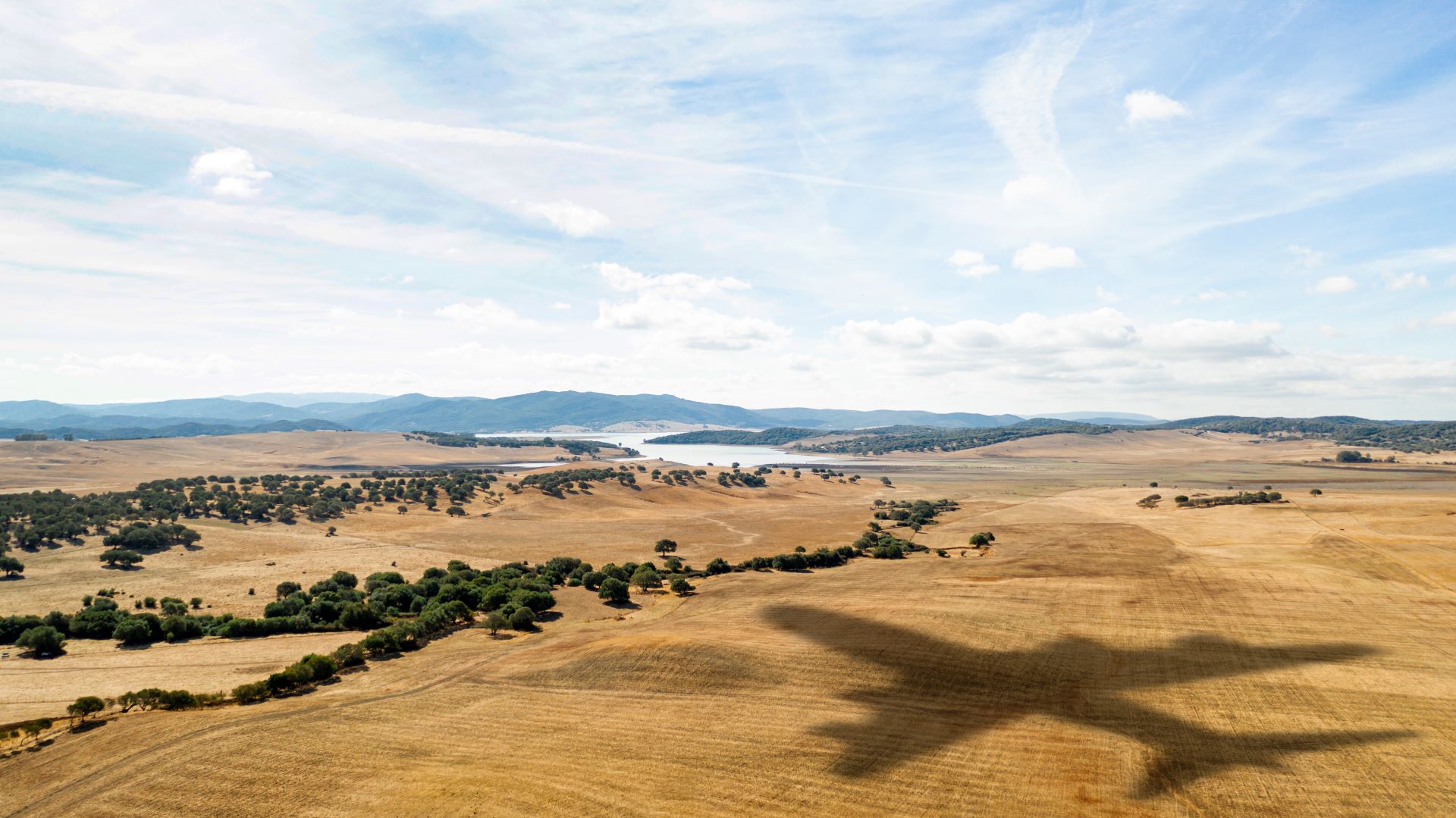
Aviation quietly structures the rhythm of South Africa’s coastal tourism economy.
From Cape Town to Durban, air routes determine not just access but timing, intensity, and distribution of visitors.
The coastline may be shaped by ocean tides, but its economy is shaped by flight paths.
Breyten Odendaal
Our travel editorial desk specializes in uncovering the best flight deals and destination insights within South Africa. We bring you first-hand updates on airline industry moves and budget travel hacks.
More From Travel News

The Psychology of Seat Selection on Short Flights
Why do travellers choose window or aisle seats on short flights? Exploring passenger psychology in South African commercial aviation.

Inside Airline Pilot Training for Modern Aircraft
Discover how airlines train pilots for modern aircraft using advanced simulators, strict certification pipelines and continuous recurrent training.
Why Airlines Overbook Flights Using Smart Forecasting
Airlines overbook flights using revenue models and no-show prediction systems to maximise seat occupancy and reduce losses in commercial aviation.
Stay Informed, Stay
Ahead of the Curve
We don't just follow the headlines — we dive deeper. Our well-researched content is designed to empower you with the knowledge needed to navigate an industry shaped by innovation.
Seasoned Professionals
Industry stats and market performance metrics.
Passionate Enthusiasts
Vehicle launches and future transport concepts.