
For decades, destination marketing followed a familiar script. Show the beach at golden hour. Pan across the mountain range. Cue a couple laughing over wine with suspiciously perfect lighting. The unspoken assumption was simple: if the place is desirable enough, people will find a way to get there.
That assumption no longer holds.
In an era defined by compressed time, rising costs and travel fatigue, the journey has become as emotionally loaded as the destination itself. For many travellers, the first question is no longer “What will I do when I arrive?” but “How hard is it to get there?” This is where access anxiety enters the frame, and where a growing number of destinations have quietly changed their marketing playbook.
They are not selling sunsets first. They are selling seats.

The Psychology of Access Anxiety
Access anxiety is not about fear of flying. It is about friction.
It lives in layovers that stretch into overnight waits, in terminal changes across unfamiliar airports, in missed connections that turn a four-hour flight into a 22-hour ordeal. It is amplified by long-haul exhaustion, visa complexity, unpredictable schedules and the very real cost of lost time.
Air travel has become more accessible in theory and more mentally taxing in practice. Travellers are now acutely aware that the journey can drain the joy from the destination before they even arrive. That awareness reshapes decision-making in subtle but powerful ways.
A destination that is “beautiful but complicated” now competes at a disadvantage against one that is “good enough and easy.” This is not laziness. It is optimisation. Modern travellers, especially those balancing work, family and limited leave, are making rational trade-offs.
Destinations have noticed.
When the Flight Becomes the First Promise
The most telling shift in airline tourism marketing is not what is being added, but what is being moved to the front of the message.
Instead of leading with attractions, many campaigns now lead with statements like:
• Direct flights now available
• Fly overnight, arrive in the morning
• One flight, no connections
• Under eight hours from major hubs
These are not footnotes. They are headlines.
In some cases, the destination almost disappears behind the logistics. The promise is not paradise. The promise is relief. Relief from complexity, from fatigue, from the mental maths of routes and transfers.
This is especially evident in long-haul tourism, where the perceived distance between places has less to do with kilometres and more to do with connections.
The Airline as Destination Gatekeeper
Airlines have always been enablers of tourism, but their role has evolved into something closer to a co-author of the destination story.
A new route announcement can reposition an entire country overnight. A direct flight can shift a destination from “someday” to “this year.” Conversely, the loss of a route can quietly push a destination out of contention, no matter how compelling its offer remains.
This power has turned airlines into de facto tourism marketers. In many regions, destination marketing organisations now align campaign timing, messaging and even visual language with airline route launches.
The destination is no longer just selling itself. It is selling the experience of getting there on a specific aircraft, from a specific city, at a specific time.

Route Maps as Emotional Triggers
A route map may seem like a functional object, but in modern airline tourism it has become an emotional asset.
A single uninterrupted line from origin to destination carries symbolic weight. It suggests ease, confidence and control. Multiple segments, by contrast, suggest risk and effort, even if the total travel time is similar.
This is why direct flights are marketed with such intensity. Not because they are always cheaper or faster in absolute terms, but because they reduce cognitive load. They remove decision points. They simplify the story travellers tell themselves about the trip.
Destinations that understand this use airline visuals deliberately. Aircraft interiors, seatback screens, boarding bridges and cabin windows all become part of the destination narrative. The journey is framed as smooth, contained and predictable.
In a world that feels increasingly chaotic, predictability sells.
Time as the New Luxury Metric
Luxury in tourism was once defined by space, service and exclusivity. Today, time has joined that list.
Travellers now measure destinations by how much of their life the journey consumes. A ten-day holiday that requires two days of travel on either side suddenly feels like a six-day experience with a long prelude and epilogue.
This is why some destinations actively market flight duration rather than distance. Saying “six hours from London” feels very different to saying “5,000 kilometres away.” One sounds manageable. The other sounds abstract and exhausting.
Airline tourism messaging increasingly uses time-based framing to reposition destinations once considered far-flung. Overnight flights, sleep schedules and arrival times are emphasised to make long distances feel shorter.
The destination is not closer. The journey simply feels smaller.
Regional Examples of Flight-Led Marketing
This strategy is particularly visible in regions that rely heavily on inbound air travel.
Island nations, for example, often have little choice but to foreground access. Without road or rail alternatives, the flight is the only gateway. Marketing therefore focuses on minimising the psychological barrier of isolation.
Similarly, destinations emerging from relative obscurity frequently lead with new routes as proof of legitimacy. A direct flight from a major hub signals relevance, safety and demand. It reassures travellers that they are not venturing somewhere inconvenient or unsupported.
Even well-established destinations are not immune. Cities with saturated tourism markets increasingly compete on ease rather than uniqueness. When attractions are similar, access becomes the differentiator.
The Role of Hub Airports in Destination Perception
Hub airports have become characters in the tourism story.
Flying via a trusted, efficient hub can elevate a destination’s appeal, while a reputation for chaotic transfers can quietly undermine it. Travellers often speak about destinations in terms of the airports they pass through, not just the places they visit.
This has led to subtle shifts in how destinations align themselves. Marketing may highlight partnerships with specific airlines or hubs known for reliability and comfort. The subtext is clear: getting here will not be a struggle.
In some cases, destinations even avoid mentioning less favourable routing realities, instead focusing on idealised travel scenarios. The promise is aspirational, but it is grounded in a real insight: travellers want reassurance before inspiration.
From Wanderlust to Willingness
Traditional tourism marketing aimed to spark wanderlust. Flight-led marketing aims to create willingness.
Wanderlust is emotional and expansive. Willingness is practical and immediate. It answers the question: “Can I realistically do this?”
This shift reflects broader changes in consumer behaviour. People are no longer collecting destinations as symbols. They are selecting experiences that fit into constrained lives.
Airline tourism messaging that addresses access anxiety does not dampen desire. It removes excuses. It clears the final hurdle between interest and action.
When a destination says, “We are easier than you think,” it invites a different kind of engagement. It does not challenge the traveller. It collaborates with them.
The Quiet Decline of the Complicated Dream Trip
There was a time when complexity was part of the allure. Multi-leg journeys, obscure routes and long transits signalled adventure and status.
That narrative has faded.
Today, complexity is associated with risk, stress and inefficiency. Social media has exposed the less glamorous side of travel in real time, from missed connections to lost luggage. The romance of difficulty has been replaced by a desire for smoothness.
Destinations that still lean heavily on the idea of the “epic journey” often find themselves speaking to a shrinking audience. The broader market is not looking to prove anything. It is looking to arrive intact.
What This Means for Destination Marketers
Marketing the flight does not mean abandoning the place. It means reordering the story.
Access is the opening line, not the footnote. The destination earns attention by first demonstrating respect for the traveller’s time, energy and constraints.
This requires closer collaboration between tourism boards and airlines, but also a shift in mindset. Success is no longer measured solely by awareness, but by perceived effort.
The destinations winning this battle are not necessarily the most beautiful or the most unique. They are the ones that feel attainable.

The Future of Airline-Centric Tourism Messaging
As air travel continues to evolve, access anxiety is unlikely to disappear. If anything, it will intensify as travellers become more conscious of value, sustainability and personal bandwidth.
This suggests that flight-led marketing will become even more sophisticated. Expect greater emphasis on aircraft comfort, cabin experience, arrival times and integrated travel planning. Expect the journey to be packaged as part of the destination, not a separate ordeal to endure.
In this landscape, the most compelling promise a destination can make may not be what awaits on the ground, but how gently it carries you there.
The place still matters. But the flight gets you in the door.
Breyten Odendaal
Our travel editorial desk specializes in uncovering the best flight deals and destination insights within South Africa. We bring you first-hand updates on airline industry moves and budget travel hacks.
More From Travel News
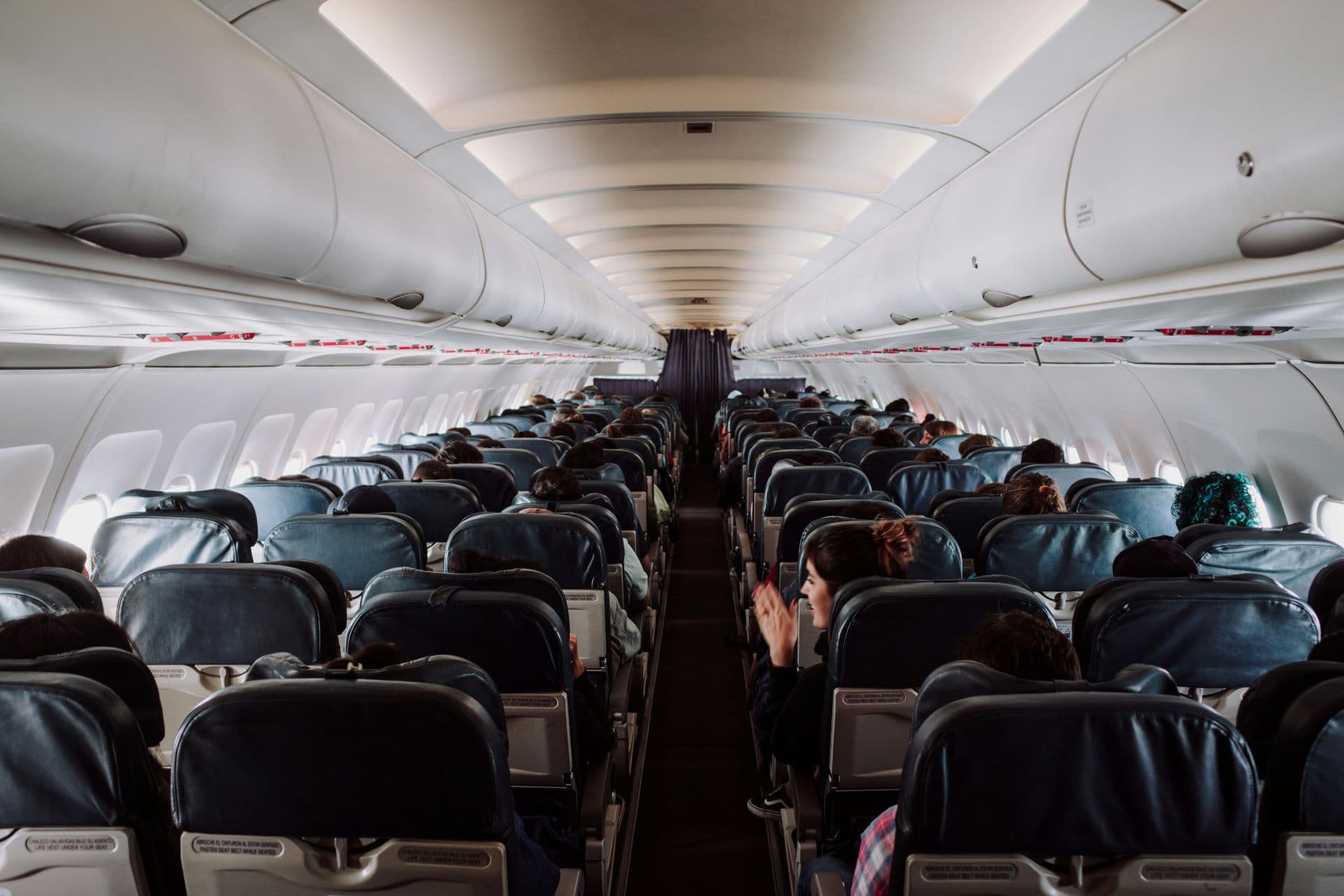
The Psychology of Seat Selection on Short Flights
Why do travellers choose window or aisle seats on short flights? Exploring passenger psychology in South African commercial aviation.
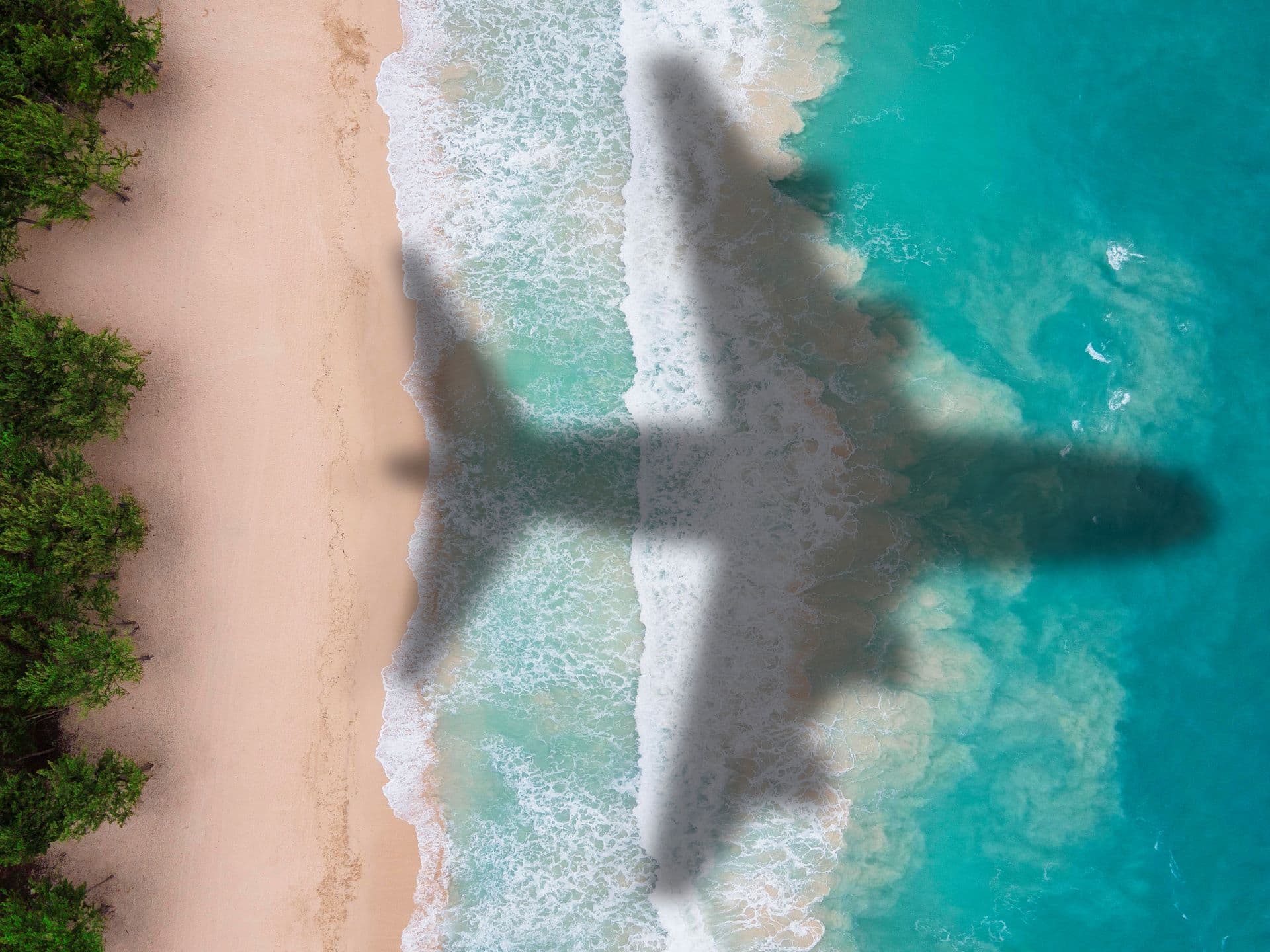
How Aviation Shapes South Africa’s Coastal Tourism
Aviation expands South Africa’s coastal tourism by redistributing seasonal travel, boosting beach destinations, and connecting global and domestic markets.
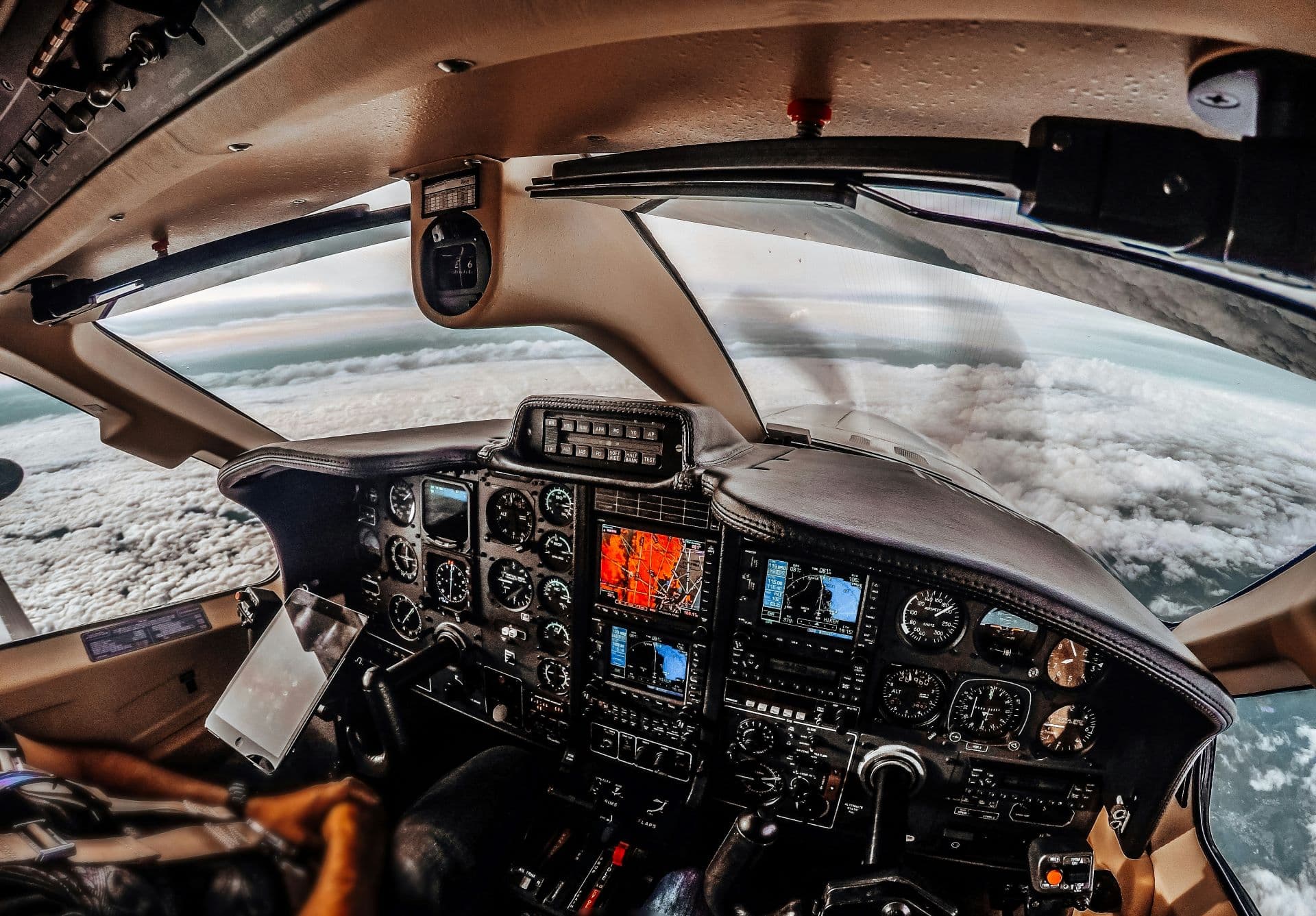
Inside Airline Pilot Training for Modern Aircraft
Discover how airlines train pilots for modern aircraft using advanced simulators, strict certification pipelines and continuous recurrent training.
Stay Informed, Stay
Ahead of the Curve
We don't just follow the headlines — we dive deeper. Our well-researched content is designed to empower you with the knowledge needed to navigate an industry shaped by innovation.
Seasoned Professionals
Industry stats and market performance metrics.
Passionate Enthusiasts
Vehicle launches and future transport concepts.