

The Corridor Between Ordinary Life and Extraordinary Places
Date Published
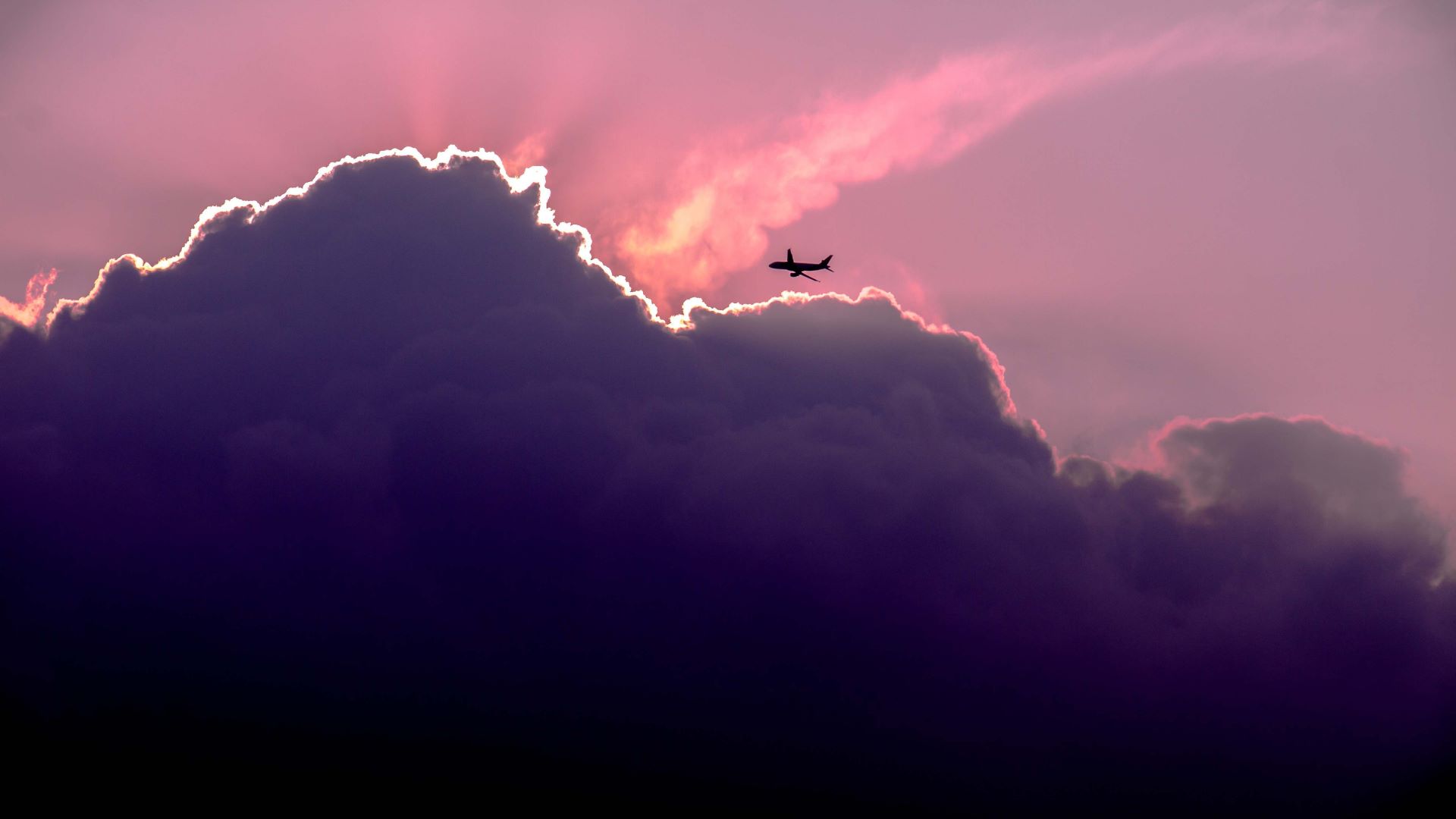
A Threshold Disguised as Transport
Air travel is often described in practical terms. Seats, schedules, boarding gates, baggage allowances, fuel efficiency, arrival times. It is treated as logistics wrapped in plastic trays and overhead bins.
But beneath the operational language of commercial airline tourism lies something far more subtle and far more human. A flight is not simply movement through airspace. It is a psychological corridor, a carefully staged transition between who we are in daily life and who we become when we travel.
Most journeys begin long before the aircraft leaves the ground. They begin the moment a traveller closes a front door, locks a car, or steps onto a train heading toward the airport. Something shifts. Not abruptly, but gradually, like a theatre lighting change that signals the story is about to begin.
The flight becomes the passage through that lighting change. It is the moment the mind starts to loosen its grip on routine.
In commercial airline tourism, this is the hidden product. Not just transportation, but transformation.
The Airport as a Prequel to Change
Airports are strange spaces. They are not quite departure points, and not quite destinations. They exist in-between, like suspended chapters in a novel where the narrative has paused but not ended.
A traveller entering an airport is still anchored in everyday identity. Work emails still exist. Home responsibilities still echo in memory. But the architecture of the airport begins to soften those edges.
High ceilings, wide corridors, shifting languages, moving walkways that glide forward without effort. Everything signals detachment from grounded routine. Even time behaves differently. It stretches and compresses, measured not in hours but in boarding calls and gate changes.
Commercial airline tourism relies heavily on this phase of subtle disorientation. It prepares the mind for departure by gently removing the stability of the familiar. You are no longer fully at home, but not yet anywhere else.
And that in-between state is important. It is where anticipation is born.
Security Lines and the Ritual of Letting Go
Security checkpoints are often framed as inconvenience, but psychologically they serve another function entirely. They are rituals of separation.
Objects are removed, placed into trays, scanned, returned. Belts are loosened, laptops extracted, liquids measured. It is a systematic unburdening of the traveller’s everyday self.
In commercial airline tourism, this process functions like a threshold ceremony. You are asked, in small ways, to step out of your usual control systems. You comply, not just for safety, but because the structure of the journey demands participation.
Each scanned item is a quiet confirmation: you are leaving one environment and entering another.
There is a moment, often unnoticed, when everything is packed away again and you walk forward through the scanner. That moment is the first true step into travel mode. The mind registers it before language can describe it.
You are already beginning to change.
The Gate as a Point of Emotional Compression
If airports are prefaces, gates are the final paragraph before the story begins.
Here, travellers gather in clusters of anticipation. Some stare at screens. Some sit with headphones sealing them into private soundscapes. Others watch aircraft through glass windows like distant creatures preparing for flight.
Time at the gate behaves differently again. It compresses. A half hour can feel like a pause button pressed on reality.
Commercial airline tourism quietly leans into this compression. It is the waiting that sharpens the contrast. Without waiting, departure would feel mechanical. With it, departure becomes emotional.
At the gate, the mind begins to rehearse the destination. Not in detail, but in feeling. Warm air. New streets. Different light. The imagination begins packing before the suitcase does.
And then boarding is called.
Boarding as a Soft Break from Reality
Boarding is not dramatic, yet it carries a strange emotional weight. A queue forms, and people step forward one by one, passing from terminal floor to jet bridge.
This tunnel-like walkway is one of the most overlooked psychological spaces in travel. It is narrow, enclosed, and directional. There is only forward motion.
Commercial airline tourism uses this structure as a literal corridor of transition. Behind you is the terminal, with its waiting and static energy. Ahead is the aircraft, with its contained micro-world of movement and destination.
As footsteps echo through the jet bridge, something subtle happens. The outside world is no longer visible. Windows disappear. Sound dulls. The mind is briefly isolated from geography.
This is where identity begins to loosen. You are no longer fully in departure. Not yet in arrival. You are suspended in motion without landscape.
And then you step inside.
The Aircraft as a Self-Contained World
Inside the cabin, commercial airline tourism reveals its most refined psychological architecture.
Everything is designed for transition. Lighting is softened. Rows are structured. Movement is directed. Even conversation is subdued into ambient hums and low exchanges.
This is not accidental. The aircraft is a controlled environment where thousands of feet of altitude separate you from the world you left behind.
Once seated, the traveller’s body enters stillness. The seatbelt clicks. The tray table folds. The overhead bin closes with a finality that feels symbolic.
The aircraft becomes a temporary society, shared but transient. Strangers occupy adjacent space, yet exist in parallel narratives.
And then the engines begin to shift tone.
The Moment Before Movement
There is a particular moment in every flight that feels almost suspended in time. The aircraft is aligned, the runway is ahead, and for a brief pause everything is still.
Inside the cabin, awareness sharpens. Small adjustments occur. A hand tightens on an armrest. A head turns toward the window. Conversations stop without instruction.
Commercial airline tourism often hides its most powerful psychological shift in this silence before acceleration.
Because what follows is not just physical movement. It is emotional release.
The aircraft begins to roll.
Takeoff as Psychological Separation
Acceleration is where transformation becomes undeniable.
The body leans slightly into the seat. Engines rise in intensity. The ground outside begins to blur into structured patterns. Runway lights stretch into lines of motion.
At this moment, the traveller is no longer anchored. The world is actively being left behind.
Commercial airline tourism reaches its emotional peak here. Takeoff is not simply ascent. It is separation. The mind registers distance forming in real time.
Problems left on the ground feel temporarily inaccessible. Responsibilities soften. Even identity feels lighter, as if it has not yet been reattached to the destination.
There is a unique clarity in this phase. It is not escape in the dramatic sense. It is suspension. A temporary permission to exist between realities.
And then the aircraft lifts.
The First Layer of Silence Above the Ground
Once airborne, a different emotional texture emerges. The noise of acceleration fades into steady propulsion. The cabin settles into a rhythm.
Windows reveal geography shrinking into abstraction. Buildings become patterns. Roads become threads. Rivers become strokes of light.
Commercial airline tourism thrives in this shift in scale. It allows travellers to witness the world becoming a map rather than a lived environment.
This change in perspective has a psychological effect. Problems appear smaller not because they disappear, but because distance reframes them.
The mind, freed from immediate grounding, begins to wander.
And wandering is the beginning of exploration.
Cruising Altitude and the Mind’s Expansion
At cruising altitude, time loosens again. It no longer behaves like urgency. It becomes flow.
This is where the corridor between ordinary life and extraordinary places stretches into its longest form. The traveller is physically removed from origin, but not yet engaged with destination.
Commercial airline tourism becomes almost meditative here. The body is still, the mind is unpressured, and the horizon is unreachable.
This is the rare environment where thinking is not interrupted by obligation. There is no task to complete. No immediate response required. Only forward motion without demand.
Some travellers sleep. Some watch screens. Some stare into cloud systems that resemble slow-moving continents.
And some simply think.
Not about logistics, but about life in its unstructured form.
The Cloud Layer as a Psychological Canvas
Clouds from above are not weather. They are architecture without boundaries.
They form valleys, ridges, soft peaks, endless plains of white and shadow. They shift slowly, without urgency, as if the world below has agreed to pause its complexity.
In commercial airline tourism, this visual field becomes a mental reset. It removes specificity. There are no names, no labels, no immediate context. Only form and motion.
The mind responds by softening its own structure. Thoughts become less rigid. Memory becomes less linear.
It is not uncommon for travellers to experience a sense of quiet recalibration. Not emotional overwhelm, but emotional spacing. Enough distance between thoughts to see them differently.
This is one of the hidden gifts of flight. Not escape, but reframing.
In-Flight Life as a Temporary Identity
Inside the aircraft, everyone is temporarily redefined. Occupations fade. Roles blur. Social structures outside the cabin no longer apply in the same way.
Commercial airline tourism creates a rare equality of context. Everyone is a passenger. Everyone is moving. Everyone is suspended between states.
Meals are served in compact trays. Drinks arrive in small cups. Conversations remain light or introspective depending on mood. The world has been simplified into immediate needs and passive observation.
This temporary identity is important. It allows travellers to exist without the weight of continuity. For a few hours, life is not being actively managed. It is being carried.
And that shift alone changes perception.
Descent as Emotional Reassembly
Eventually, the aircraft begins to descend.
This is where the corridor narrows again, but in reverse. The psychological looseness of cruising altitude begins to tighten. Attention returns. Awareness sharpens.
Land becomes visible again in detail. Patterns turn into structures. Structures turn into cities. Cities turn into destinations.
Commercial airline tourism reaches its second emotional peak here, though it is quieter than takeoff. It is not separation this time. It is re-entry.
The mind begins to reconnect fragments of identity that were temporarily suspended. Where am I going. What awaits me. What version of myself will step off this aircraft.
There is anticipation again, but different in quality. More grounded. More directional.
And then the wheels touch down.
Arrival as a Gentle Reintegration
Landing does not end the journey. It completes the transformation.
The aircraft slows. The cabin stirs. Overhead bins open. Seatbelts are unfastened. People begin to reassemble themselves into forward-facing travellers ready to step into a new environment.
Commercial airline tourism finds its conclusion here, but the psychological corridor still echoes.
Stepping into a new airport, a new climate, a new language, the traveller carries a softened version of themselves. One shaped by altitude, motion, and temporary detachment.
Even ordinary life feels slightly recalibrated after flight. Not permanently altered, but gently widened.
Because once you have moved through that corridor between worlds, you remember that movement itself is a form of change.
The Afterglow of Motion
Long after arrival, something of the flight remains. Not in memory alone, but in perception.
The world feels a little less fixed. Distances feel more navigable. Change feels less abrupt.
Commercial airline tourism leaves behind this afterglow because it repeatedly demonstrates a simple truth: movement is not just physical. It is psychological rehearsal for transformation.
Every flight is a reminder that leaving is not an ending. It is a transition phase. A corridor. A passage where identity temporarily loosens its grip so something new can be experienced.
And when travellers return home, that memory of suspension lingers quietly in the background.
A reminder that ordinary life is only one part of a much larger geography of experience.
Life Between Takeoff and Landing
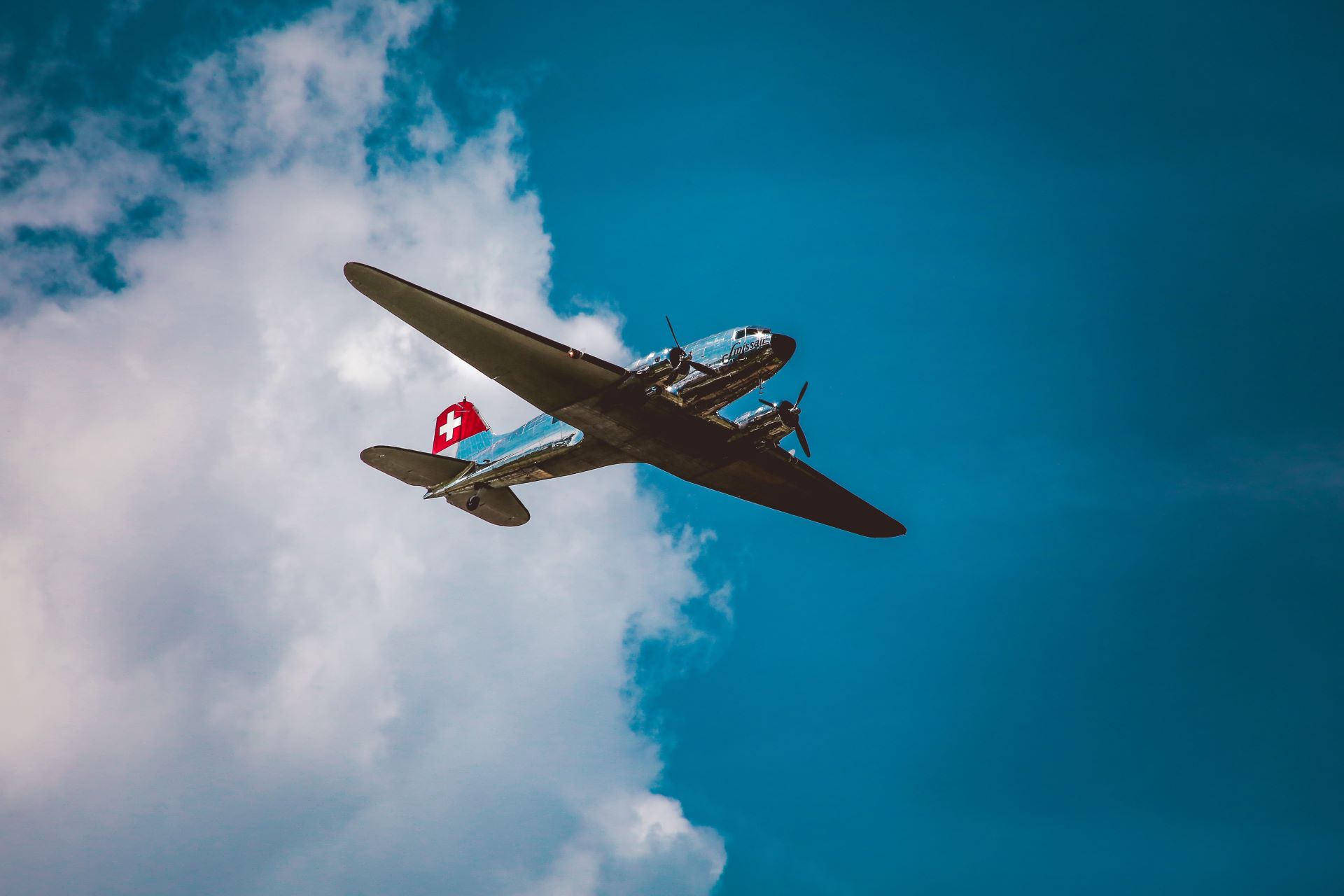
Between the moment wheels leave the ground and the moment they return to it, something subtle but profound happens.
Commercial airline tourism does more than connect cities. It connects states of mind. It creates a structured pause between versions of ourselves.
In that corridor between ordinary life and extraordinary places, we are briefly unanchored. Not lost, but lifted. Not removed, but expanded.
And perhaps that is why flying continues to feel so compelling, even in an age where it is routine. Because every flight quietly offers the same invitation.
Step out of who you were. Travel through the space between. Arrive slightly changed.