

Aviation and Domestic Tourism: How Flights Change Travel
Date Published
When Distance Stops Feeling Heavy
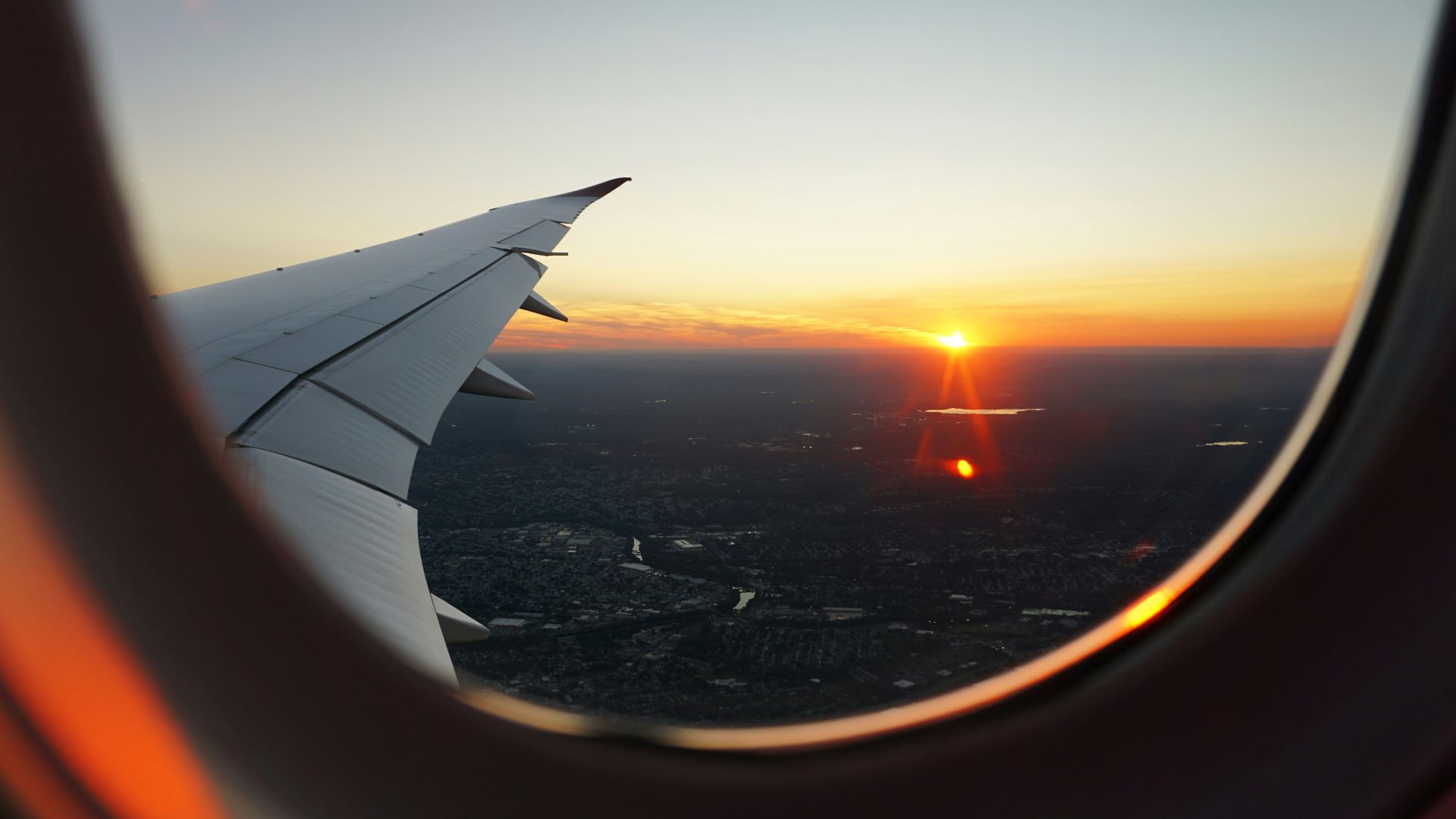
Domestic travel used to be measured in endurance. People spoke about “long weekends away” with a kind of knowing sigh, as if the journey itself was a small sacrifice before the reward. Roads defined the rhythm of leisure, and time on the highway was simply part of the price of escape.
Commercial aviation altered that rhythm without much noise. It did not erase distance, but it softened it. Cities that once demanded careful planning suddenly slipped into the realm of spontaneous decision-making. In countries with large geographic spreads such as South Africa, this shift is especially visible, where a single flight can compress what once felt like a full day’s commitment into a brief transition between terminals.
Domestic aviation has therefore become more than transport. It has become a behavioural force inside tourism itself, quietly reshaping how people choose destinations and how often they travel.
How Aviation Rewrites the Feeling of Distance
Distance is not only physical. It is psychological, and aviation has proven remarkably effective at rewriting that psychology.
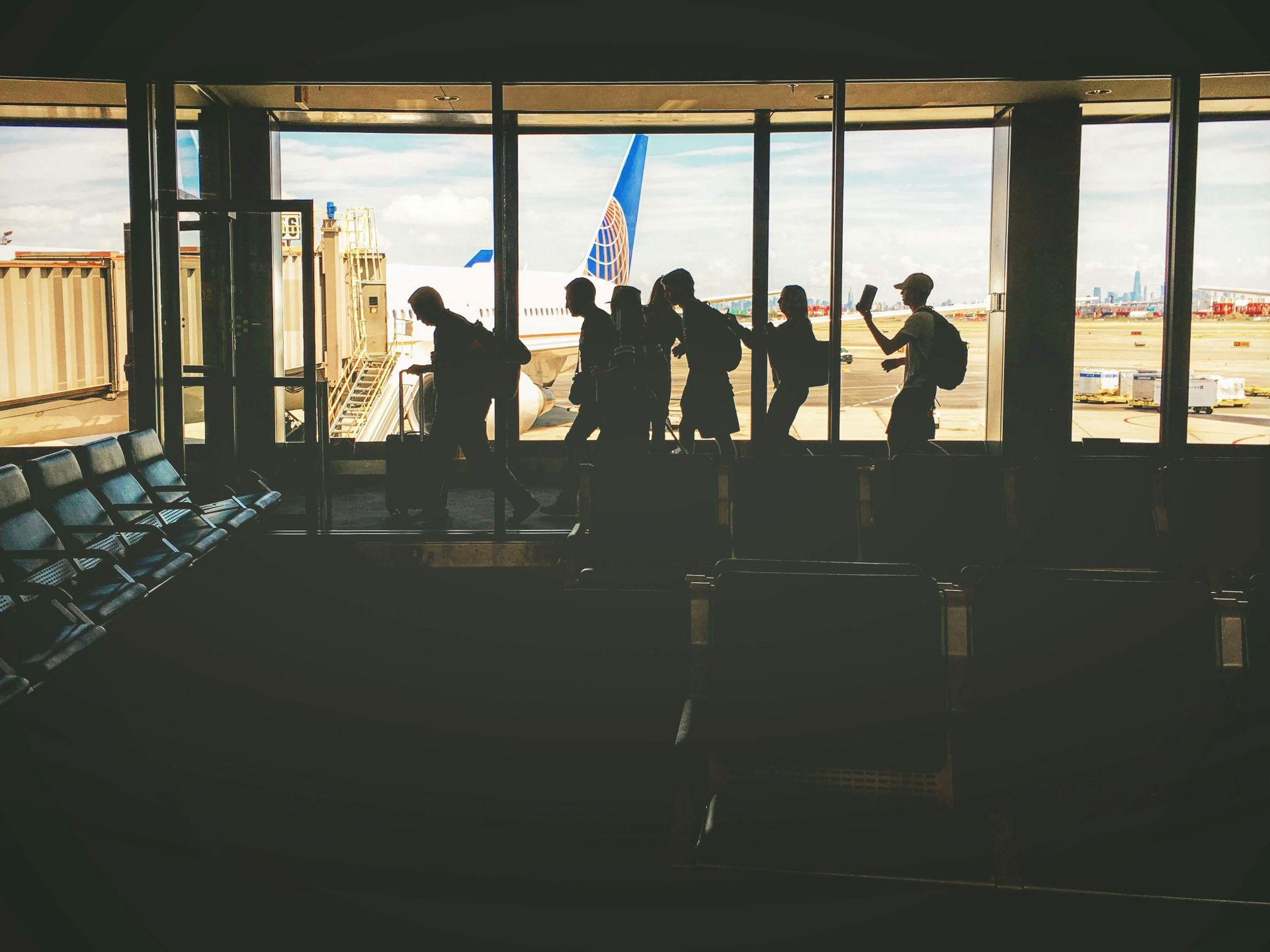
A road journey stretches time in a way that is always felt in the body. Hours accumulate in traffic patterns, fuel stops, and shifting landscapes. A flight, by contrast, compresses that same distance into a contained block of time that feels detached from the geography below it. What matters is not how far a destination is, but how quickly it can be entered and exited from daily life.
This subtle shift changes decision-making. Destinations stop being evaluated through kilometres and start being evaluated through effort. The less effort required to reach a place, the more likely it becomes part of a traveller’s consideration set. In this sense, aviation does not just connect cities. It alters the mental shortlist of where people think they can go.
Short-Haul Flights as Engines of Domestic Tourism
Short-haul aviation plays a specific role in tourism systems because it transforms what used to be occasional journeys into repeatable behaviour. Where long road trips might happen a few times a year, short flights make travel feel modular, almost like an adjustable part of everyday life.
This has a direct impact on tourism demand patterns. Instead of fewer, longer holidays anchored in one destination, travellers begin to fragment their leisure time into more frequent, shorter visits. Weekend breaks become more viable. Midweek escapes become realistic. Entire cities start to receive visitors who would never have considered them if driving was the only option.
Airlines, in this way, become silent architects of tourism flow. By opening or strengthening a route, they effectively activate a destination’s visibility. Places that sit on active flight networks begin to feel closer, not because they have moved, but because they have been inserted into a faster system of access.
The Enduring Gravity of Road Travel
Despite the rise of aviation, road trips remain deeply embedded in domestic tourism culture. They carry a different kind of value that flights cannot replicate. The road allows for control, for spontaneity, and for a gradual immersion into landscape and transition.
In many cases, the journey is not separate from the holiday but part of its identity. Travellers build memories around roadside stops, changing scenery, and shared time inside a vehicle. There is also a practical dimension. Road travel often feels more economical for groups, and it removes the procedural structure that comes with airports and schedules.
Yet road travel is also bound by limitations that become more visible as lifestyles change. Time scarcity, rising fuel costs, and fatigue all influence how often people are willing to undertake long distances. The road remains emotionally powerful, but aviation increasingly competes on efficiency rather than experience.
The New Weekend Travel Behaviour
One of the most noticeable changes brought about by domestic aviation is the rise of compressed travel behaviour. Weekends are no longer defined by nearby destinations alone. Flights have expanded what counts as “close enough” for a short break.
This creates a travel rhythm built around departure and return windows rather than distance. A traveller might leave a city after work on a Friday and arrive in a completely different region before evening has fully settled. By Sunday night, they can be back in their own bed with minimal disruption to the working week.
What emerges is a form of tourism that treats time as the main constraint rather than geography. The destination becomes a temporary stage rather than a distant goal, and airlines become facilitators of these short bursts of experience.
Airlines as Hidden Designers of Tourism Geography
Airline networks do more than respond to demand. They shape it. Each route functions like a line drawn across a country’s tourism map, deciding which cities are easily accessible and which remain peripheral.
Hub systems in particular create a hierarchy of visibility. Cities connected to major hubs become more integrated into national travel behaviour, while those outside these networks often rely on road access or indirect connections that increase friction. Over time, this shapes not just travel patterns but regional tourism economies.
Aviation therefore operates as a form of infrastructure-based storytelling. It determines which destinations are easy to imagine visiting and which require deliberate effort. In doing so, it influences not just movement, but perception.
Time Versus Experience: The Core Trade-Off
The decision between flying and driving is rarely about simple cost comparison. It is a negotiation between time and experience, between efficiency and immersion.
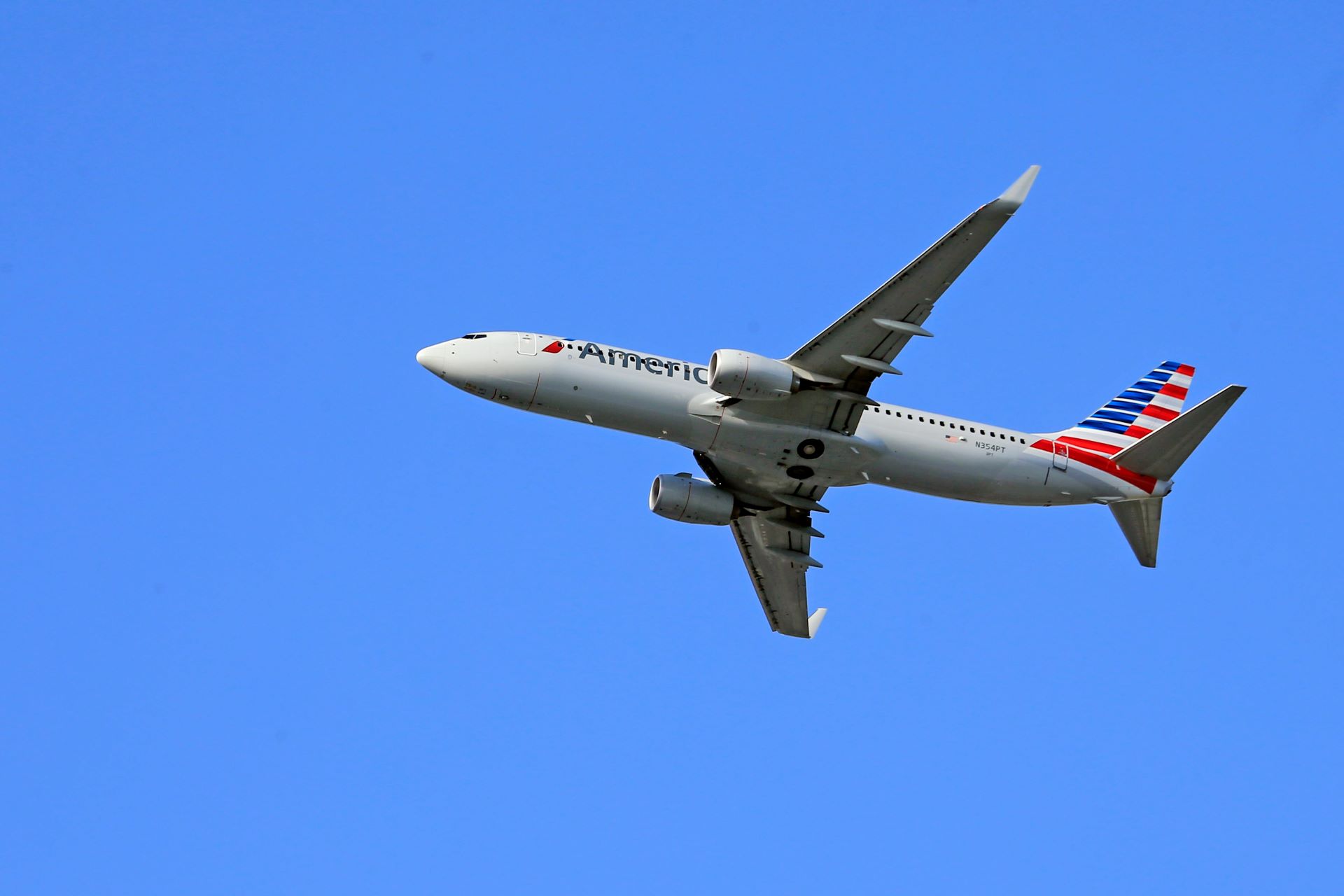
Air travel reduces the burden of distance by compressing it, but it introduces procedural layers such as check-in, boarding, and security. Road travel removes those layers but replaces them with sustained attention, fatigue, and variability in conditions.
Travellers constantly weigh these factors in ways that are often unconscious. A short, time-sensitive trip tends to favour aviation. A leisure-focused journey where the process matters as much as the destination tends to favour driving. The choice is not fixed. It shifts depending on context, purpose, and personal priorities.
Economic Redistribution Across Domestic Destinations
As aviation expands, it redistributes tourism flows in ways that can reshape regional economies. Destinations with strong air links tend to experience more frequent but shorter stays, often driven by weekend or business-leisure hybrid travel. This creates a faster turnover economy in hospitality and services.
Road-based destinations tend to develop differently. They often rely on longer stays, where visitors spend more time embedded in local environments and move more slowly through surrounding regions. This produces a different kind of economic rhythm, one that is less volatile but also less rapid in its response to demand shifts.
Both models coexist within domestic tourism systems, but aviation introduces a layer of speed that changes how quickly destinations respond to shifts in consumer behaviour.
Infrastructure and the Limits of Growth
The growth of domestic aviation is closely tied to infrastructure capacity. Airports, air traffic systems, and ground transport integration all determine how effectively tourism demand can translate into actual movement.
Where infrastructure is efficient, aviation unlocks rapid tourism expansion. Where it is constrained, even strong demand struggles to translate into consistent connectivity. This creates uneven development across regions, where accessibility becomes as important as attraction in determining tourism success.
In this sense, aviation is not just about aircraft. It is about the systems that allow aircraft to function as reliable gateways into destinations.
Behavioural Shifts in Modern Travellers
Modern domestic travellers increasingly behave as flexible decision-makers rather than loyal users of a single transport mode. The same person might choose a flight for speed on one trip and a road journey for flexibility on another.
This adaptability reflects a broader shift in consumer behaviour where convenience, timing, and emotional context outweigh fixed preferences. Travel becomes a situational choice rather than a habitual one.
As a result, airlines and road networks are not separate competitors in isolation. They are part of a shared mobility ecosystem that travellers navigate dynamically.
Environmental Pressure and Future Expectations
As domestic aviation grows, environmental considerations become increasingly important in shaping its future. Short-haul flights face scrutiny due to their carbon intensity, particularly when compared to highly efficient road travel scenarios.
This pressure is driving innovation in aircraft efficiency, fuel alternatives, and more optimised route planning. It is also influencing how travellers think about the environmental cost of convenience. Sustainability is gradually becoming part of the decision-making process, even when it is not the primary factor.
A Rewritten Map of Domestic Travel
Domestic aviation has not replaced road travel, but it has fundamentally altered its position within tourism behaviour. It has introduced a new layer of speed into a system that was once defined primarily by distance and endurance.
What emerges is a layered travel ecosystem where air mobility compresses time and road travel preserves experience. Together they create a more flexible and complex domestic tourism landscape, where destinations are no longer defined solely by how far they are, but by how easily they can be entered into the rhythm of everyday life.
In this evolving system, aviation acts less like transport and more like a quiet cartographer, redrawing the emotional map of domestic tourism one short-haul flight at a time.